

Exploring Global Traditions of Therapeutic Touch and Healing Through Massage

Touch is a powerful tool for healing and connection. Around the world, different cultures have developed unique approaches to massage, each shaped by their history, beliefs, and understanding of the body. These traditions reveal fascinating differences in how massage is used for physical relief, emotional balance, and spiritual growth. This post explores the science of touch through the lens of global massage practices, highlighting the benefits and uses of therapeutic touch across various countries and eras.
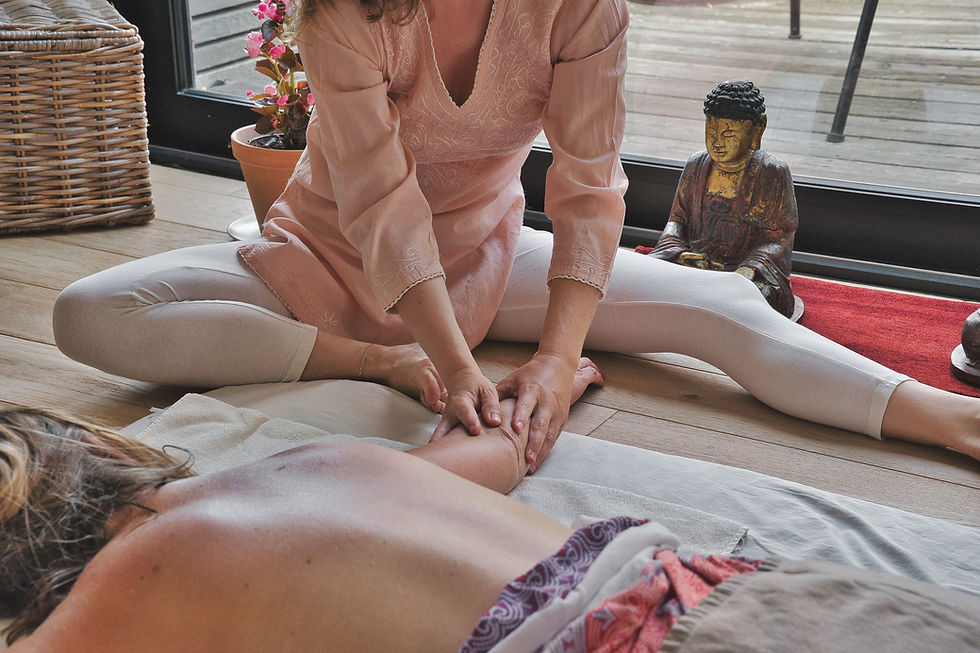
The Roots of Therapeutic Touch in India
India’s approach to massage is deeply intertwined with its ancient medical system, Ayurveda. This tradition dates back thousands of years and views massage as a way to balance the body's energies, or doshas. Ayurvedic massage uses warm herbal oils tailored to an individual’s constitution, aiming to improve circulation, detoxify tissues, and calm the mind.
Key features of Indian massage include:
Abhyanga: A full-body oil massage that promotes relaxation and rejuvenation.
Use of medicinal herbs and oils like sesame and neem.
Integration with breathing exercises and meditation to enhance spiritual benefits.
The spiritual aspect of Indian massage is significant. It is not just about physical healing but also about aligning the body, mind, and spirit. This holistic view makes it a unique tradition that influences many modern wellness practices worldwide.
How Europe Shaped Modern Massage Techniques
Europe’s history with massage reflects a blend of medical science and cultural shifts. In ancient Greece and Rome, massage was part of athletic training and medical treatment. Physicians like Hippocrates wrote about massage as a way to relieve pain and improve health.
During the Renaissance and later periods, massage evolved with advances in anatomy and physiology. Swedish massage, developed in the 19th century by Per Henrik Ling, introduced systematic techniques like kneading, tapping, and friction. These methods focused on muscle relaxation and improving blood flow.
European massage today emphasizes:
Therapeutic uses such as rehabilitation after injury.
Techniques designed to reduce muscle tension and improve mobility.
Scientific research backing the benefits of massage for stress relief and pain management.
Europe’s contribution lies in formalizing massage as a clinical practice, blending traditional touch with modern health care.
The Spiritual and Physical Balance in Japan
Japan’s massage traditions combine physical therapy with spiritual elements. Shiatsu, meaning “finger pressure,” is a well-known Japanese technique that applies pressure to specific points on the body to stimulate energy flow, or ki. This practice is rooted in traditional Chinese medicine but adapted uniquely in Japan.
Shiatsu focuses on:
Balancing the body’s energy pathways.
Using thumbs, palms, and elbows to apply pressure.
Supporting the body’s natural healing processes.
Japanese massage often takes place in calm, minimalist settings that encourage relaxation and mindfulness. The connection between touch and spirituality is clear, as practitioners aim to harmonize body and mind.
Russia’s Strong Tradition of Therapeutic Massage
In Russia, massage has long been part of both folk medicine and modern rehabilitation. Russian massage techniques are known for their vigor and effectiveness in treating musculoskeletal issues. The tradition combines deep tissue work with movements that stimulate the nervous system.
Distinctive aspects of Russian massage include:
Use of rhythmic stroking and kneading to improve circulation.
Techniques designed to strengthen muscles and reduce stiffness.
Integration with physical therapy for recovery from injuries.
Russian massage also emphasizes the benefits of touch for overall vitality and resilience, reflecting a practical approach to healing.

Thailand’s Unique Approach to Healing Touch
Thai massage stands out for its combination of massage, stretching, and energy work. Known as Nuad Boran, this ancient practice blends physical manipulation with yoga-like stretches. It is based on the concept of energy lines, or sen, running through the body.
Key elements of Thai massage:
Use of hands, elbows, knees, and feet to apply pressure.
Assisted stretching to increase flexibility.
Focus on releasing blocked energy to promote healing.
Thai massage sessions often feel like a full-body workout and relaxation combined. The practice is deeply connected to Buddhist spirituality, emphasizing mindfulness and compassion in healing.
Comparing Uses and Benefits Across Cultures
While each culture has its own style, some common benefits of massage emerge globally:
Relief from muscle tension and pain.
Improved circulation and lymphatic flow.
Stress reduction and mental calm.
Support for emotional and spiritual well-being.
The differences lie in how these benefits are prioritized and achieved. For example:
India and Thailand emphasize spiritual balance alongside physical healing.
Europe focuses on clinical applications and rehabilitation.
Japan integrates energy work with precise pressure techniques.
Russia combines strength and rhythm for physical vitality.
Understanding these unique approaches helps appreciate the rich diversity of therapeutic touch and its role in health worldwide.

The Science Behind Touch and Healing
Research shows that massage triggers physiological responses such as:
Release of endorphins and serotonin, improving mood.
Reduction of cortisol, the stress hormone.
Increased blood flow aiding tissue repair.
Activation of the parasympathetic nervous system, promoting relaxation.
These effects support the traditional uses of massage seen in different cultures. The spirituality often associated with massage may enhance these benefits by fostering a sense of connection and presence.
Bringing Global Traditions Into Modern Wellness
Today, many massage therapists blend techniques from various cultures to create personalized treatments. This fusion respects the unique origins while adapting to individual needs.
For those interested in exploring massage:
Learn about the history and philosophy behind different styles.
Consider what benefits you seek: relaxation, pain relief, spiritual balance.
Try sessions from different traditions to find what resonates.
Massage is more than a physical therapy; it is a bridge between body, mind, and culture.
Touch connects us across time and place. By exploring global traditions of therapeutic massage, we gain insight into how different cultures understand healing and the power of human connection. Whether through the gentle strokes of Ayurveda, the precise pressure of Shiatsu, or the dynamic stretches of Thai massage, the science of touch continues to support health and well-being worldwide.


