

The Great Debate: Thumbs vs Elbows in Effective Massage Therapy Techniques

Massage therapy is a field full of nuanced techniques and tools. Among these, the ongoing debate between using thumbs or elbows stands out as one of the most discussed topics among therapists. Many massage therapists are taught to avoid using their thumbs to prevent injury, while elbows are encouraged to apply deeper pressure through body weight. Yet, this debate is not just about safety or strength; it’s about precision, effectiveness, and truly connecting with the muscle tissue to relieve pain and correct trigger points.
This post explores why thumbs remain essential in skilled massage therapy, how elbows fit into the picture, and why a hands-focused approach often leads to better outcomes for clients dealing with myofascial pain and muscle herniations.
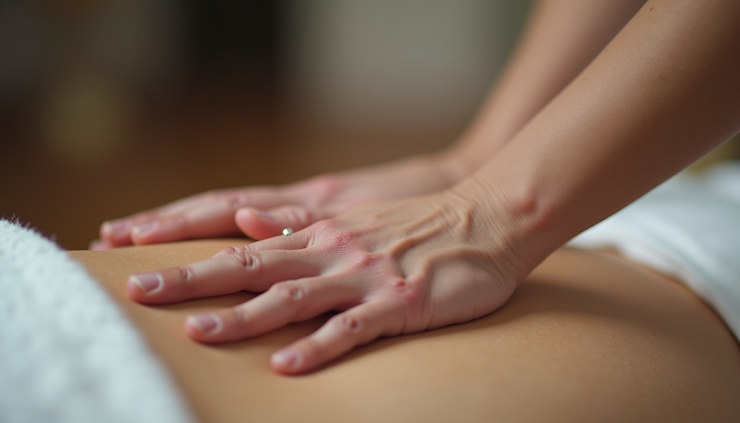
Close-up view of a massage therapist’s thumb applying pressure to a muscle knot
Why Thumbs Matter in Massage Therapy
Thumbs are often the most precise tools a therapist has. Their size and sensitivity allow therapists to palpate small, specific areas of muscle tissue, which is crucial when working with trigger points. These are tight, painful spots within muscle fibers that can cause referred pain and limit movement.
Precision: Thumbs can isolate individual muscle heads and follow the direction of muscle fibers. This precision is essential for identifying herniated trigger points that are often missed with broader tools.
Sensitivity: Unlike elbows, thumbs can feel subtle changes in tissue texture and tension. This feedback helps therapists adjust pressure and technique in real time.
Control: Thumbs allow therapists to apply varied pressure, from gentle to deep, without losing control or causing discomfort.
In our clinic, we emphasize training therapists to use their thumbs correctly. This includes learning how to avoid strain and injury by using proper body mechanics and hand positioning. The goal is to make thumbs a reliable extension of the therapist’s touch, not a source of pain or fatigue.
The Role of Elbows in Deep Tissue Work
Elbows are powerful tools for applying deep pressure, especially when therapists need to reach dense or large muscle groups. Using body weight through elbows can relieve tension in areas like the lower back or glutes where broad, firm pressure is beneficial.
Strength: Elbows allow therapists to apply strong pressure without overusing their hands or thumbs.
Efficiency: For large muscle groups, elbows can cover more surface area quickly.
Body mechanics: Using elbows encourages therapists to engage their whole body, reducing the risk of repetitive strain injuries.
However, elbows lack the precision and sensitivity needed for detailed work on trigger points. They cannot easily detect small herniations or follow the intricate direction of muscle fibers. This limitation means elbows are best used as a complement to hand techniques, not a replacement. Also, speaking of injury, therapists that emphasize the use of elbows for deep tissue will often have shoulder pain.

Combining Thumbs and Elbows for Optimal Therapy
The most effective massage therapy often comes from combining the strengths of both thumbs and elbows. Skilled therapists know when to switch between tools based on the muscle group, the client’s needs, and the specific goals of the session.
Use thumbs for:
- Palpating and isolating trigger points
- Working along muscle fibers with precision
- Addressing small or delicate muscle areas
- Breaking down scar tissue in attachments or ligaments
Use elbows for:
- Applying deep pressure to large muscle groups
- Releasing broad areas of tension
- Supporting body mechanics to avoid therapist fatigue
This approach allows therapists to maintain precision while also delivering the necessary depth of pressure. It also helps prevent injury to the therapist, which is a common concern when relying too heavily on thumbs alone.
Training Therapists to Use Thumbs Safely and Effectively
One reason thumbs are often discouraged in massage therapy training is the risk of injury. Without proper technique, therapists can develop joint pain, tendonitis, or other repetitive strain injuries. Our clinic addresses this by teaching:
Proper hand positioning to distribute pressure evenly
Using body weight rather than finger strength to apply pressure
Exercises to strengthen hand muscles and improve endurance
Techniques to avoid hyperextension or awkward thumb angles
By focusing on these skills, therapists can confidently use their thumbs to palpate and treat trigger points without sacrificing their own health.
Why Hands-Focused Therapy Makes a Difference
Hands-focused therapy is not just about technique; it’s about delivering a level of care that stands out. Clients often describe the difference between a generic massage and one that truly targets their pain as the difference between feeling “rubbed” and feeling “healed.”
Detailed palpation helps locate hidden trigger points that cause chronic pain.
Targeted pressure along muscle fibers improves blood flow and tissue repair.
Personalized treatment adapts to each client’s unique muscle structure and pain patterns.
This attention to detail is why many clients find relief only after working with therapists trained in hands-focused myofascial therapy. It’s often the missing link in their recovery journey.
Final Thoughts on the Thumbs vs Elbows Debate
The debate between thumbs and elbows in massage therapy is not about choosing one over the other. It’s about understanding the strengths and limitations of each and using them wisely. Thumbs provide the precision and sensitivity needed to find and correct trigger points, while elbows offer the power to release large muscle groups.
Therapists who master both tools and know when to use each create the most effective therapy sessions. For clients, this means better pain relief, improved muscle function, and a more personalized healing experience.
If you are a therapist, investing time in learning proper thumb techniques can transform your practice and protect your hands. If you are a client, seek out therapists who focus on hands-based myofascial work for the best results.


